
Nicolia Robinson
Leadership

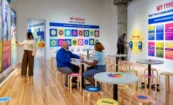
National Center for Civil and Human Rights, Atlanta, GA
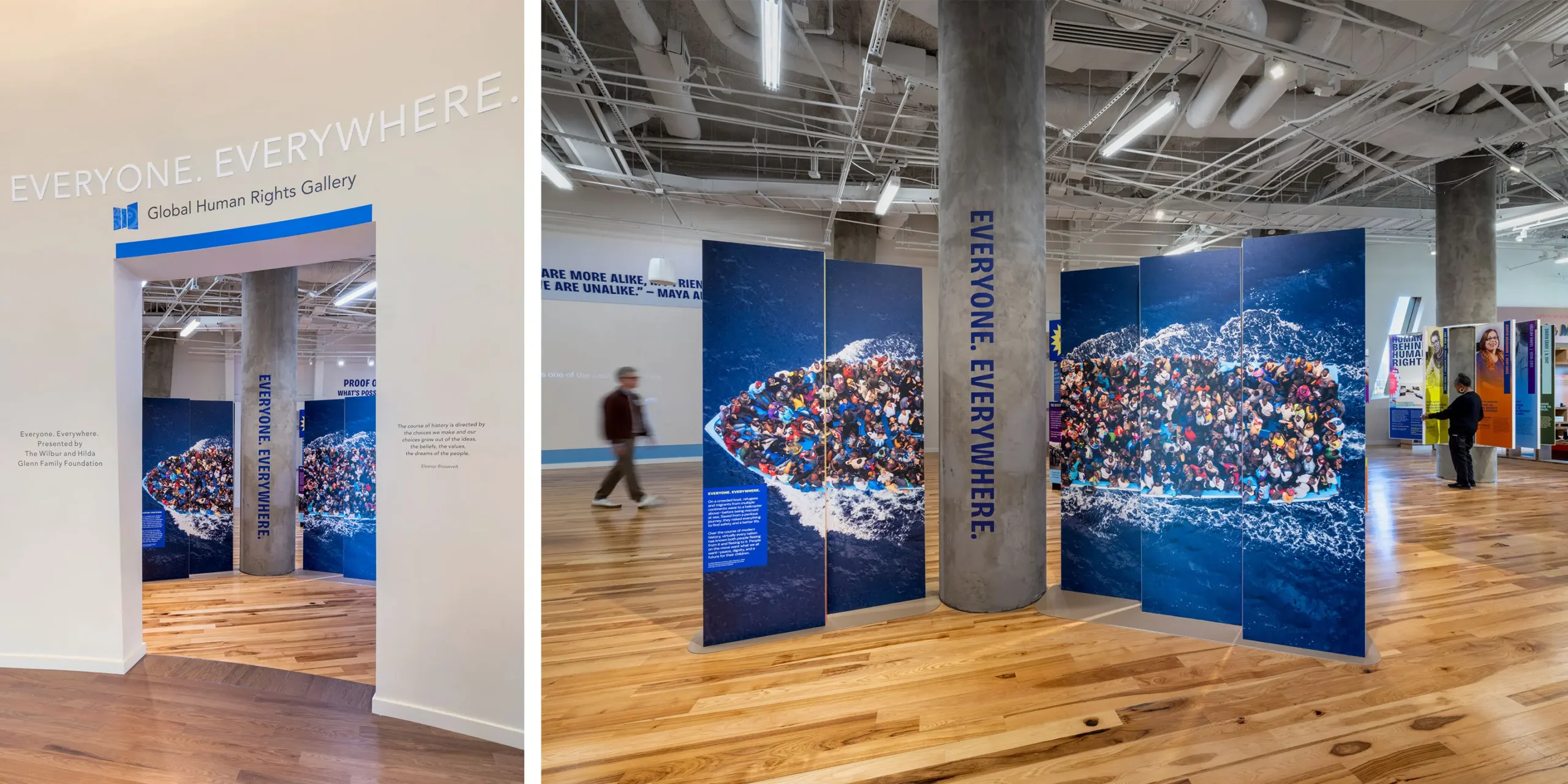
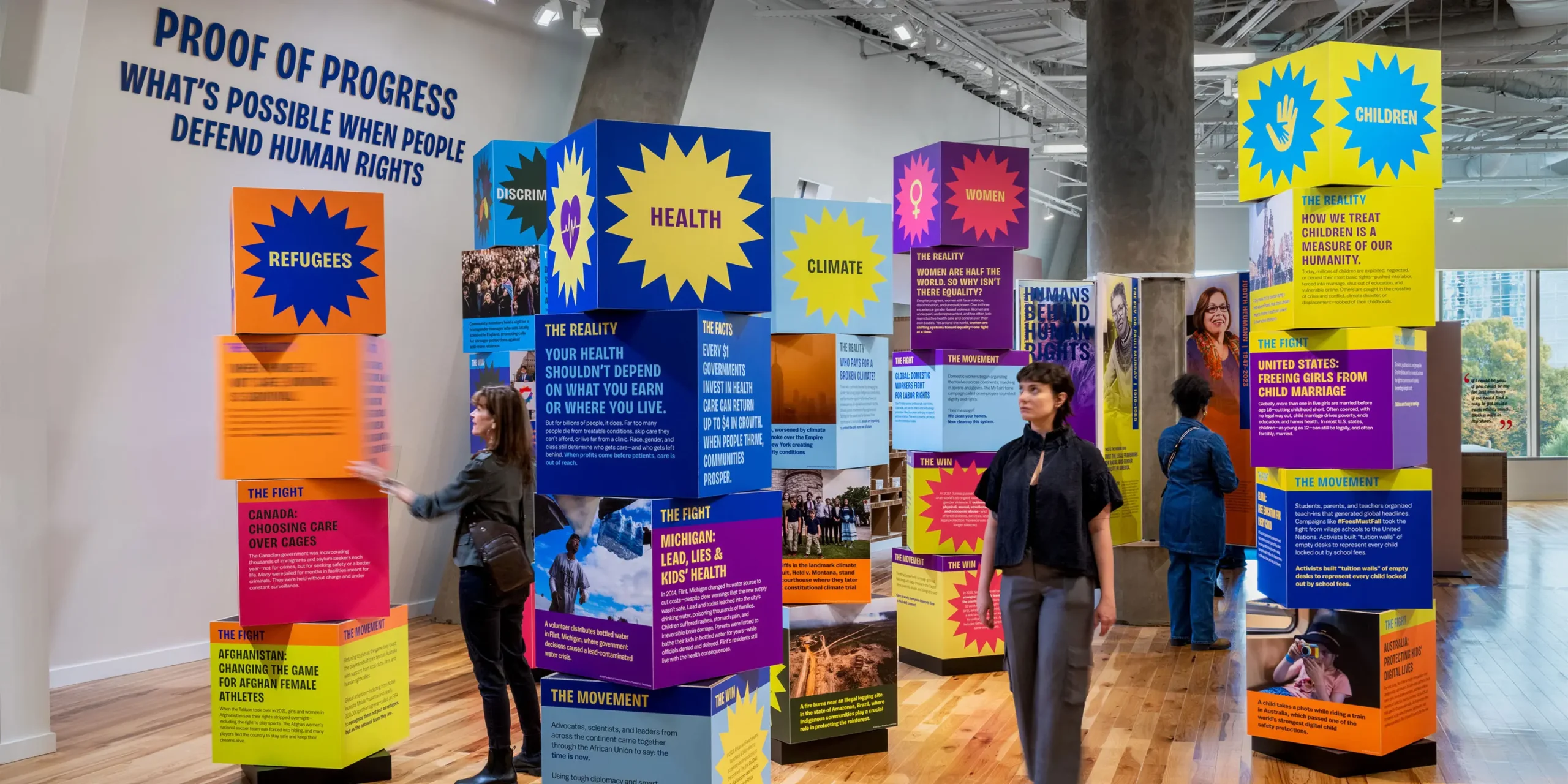
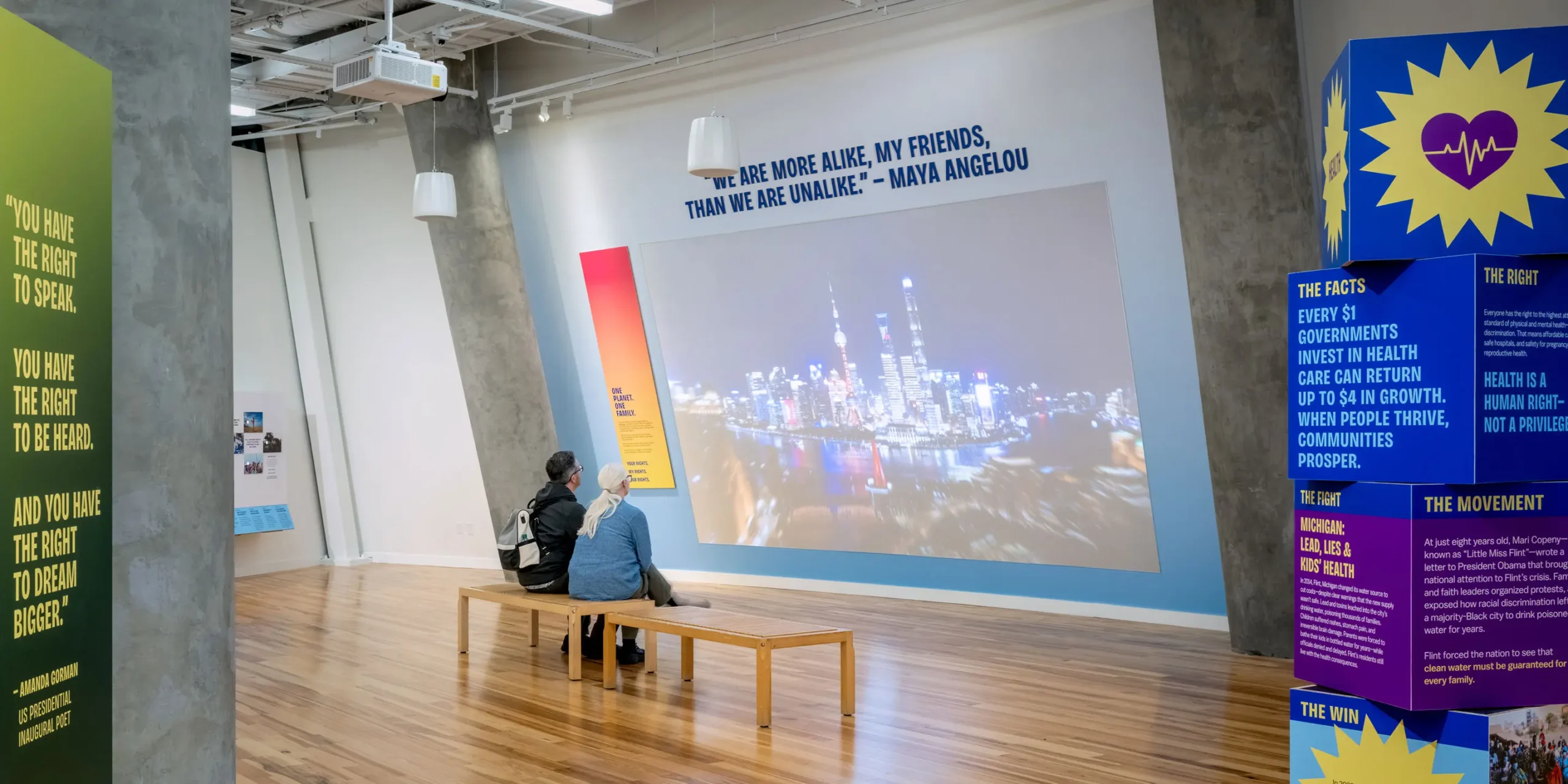
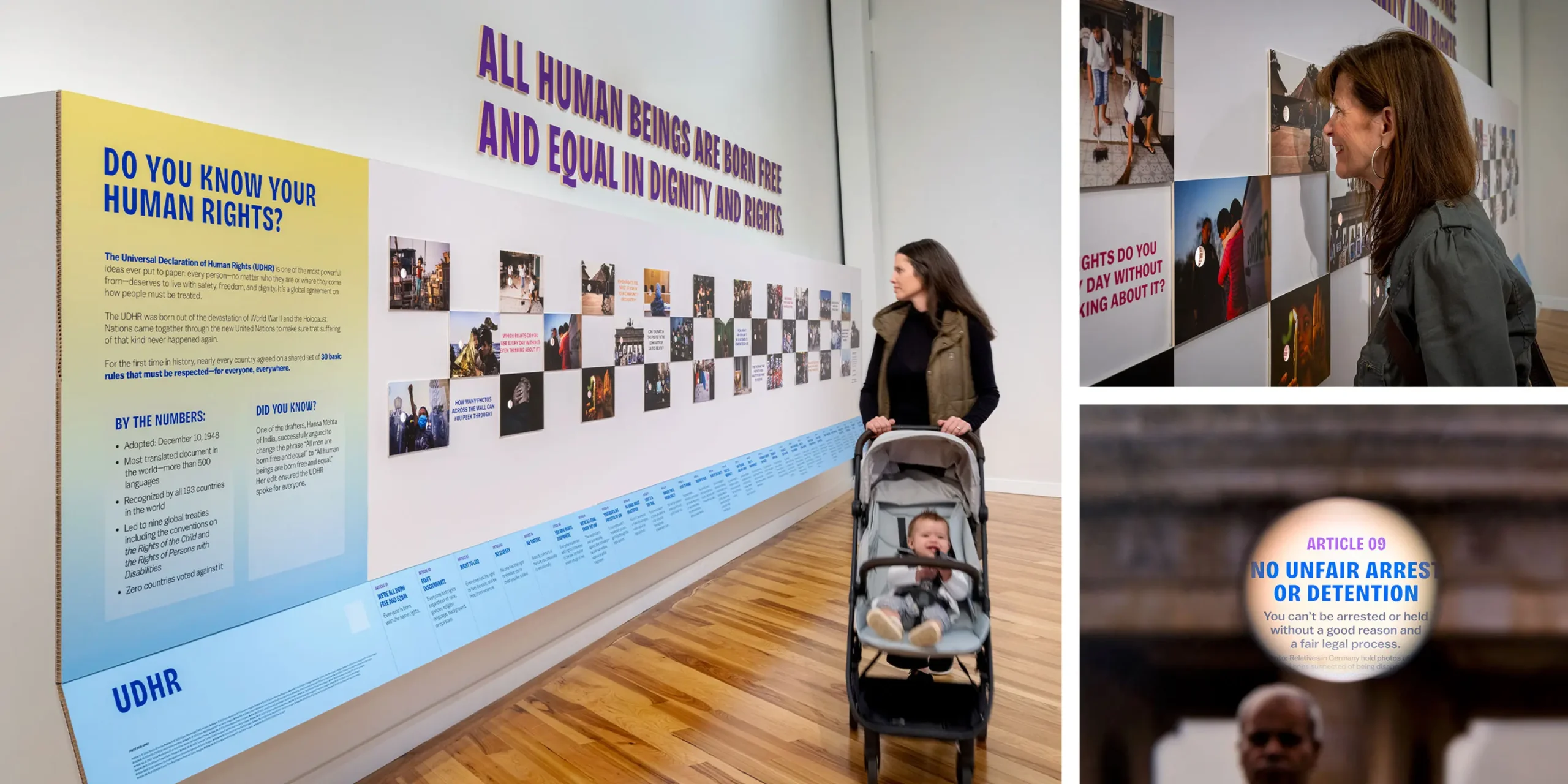
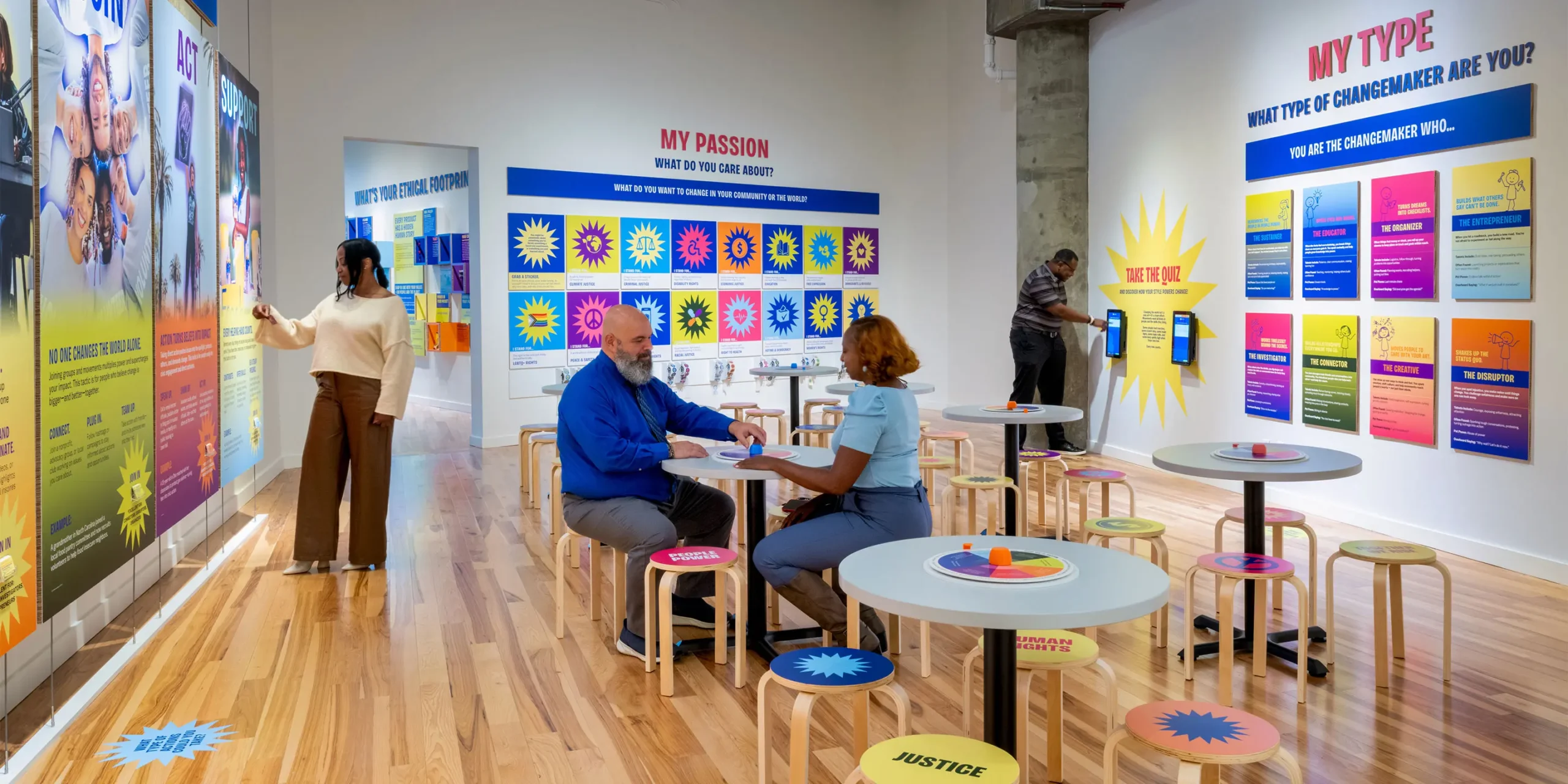
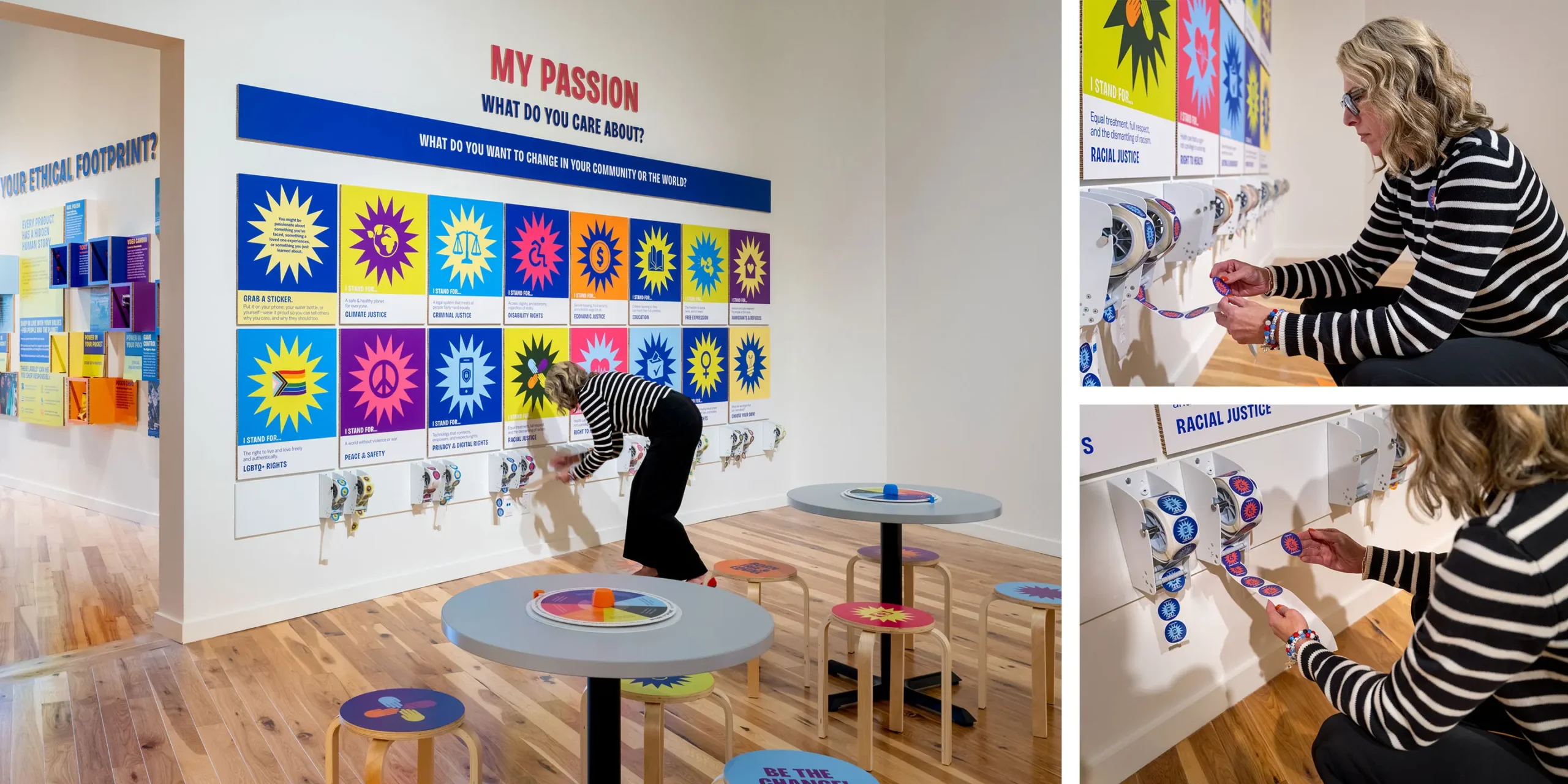
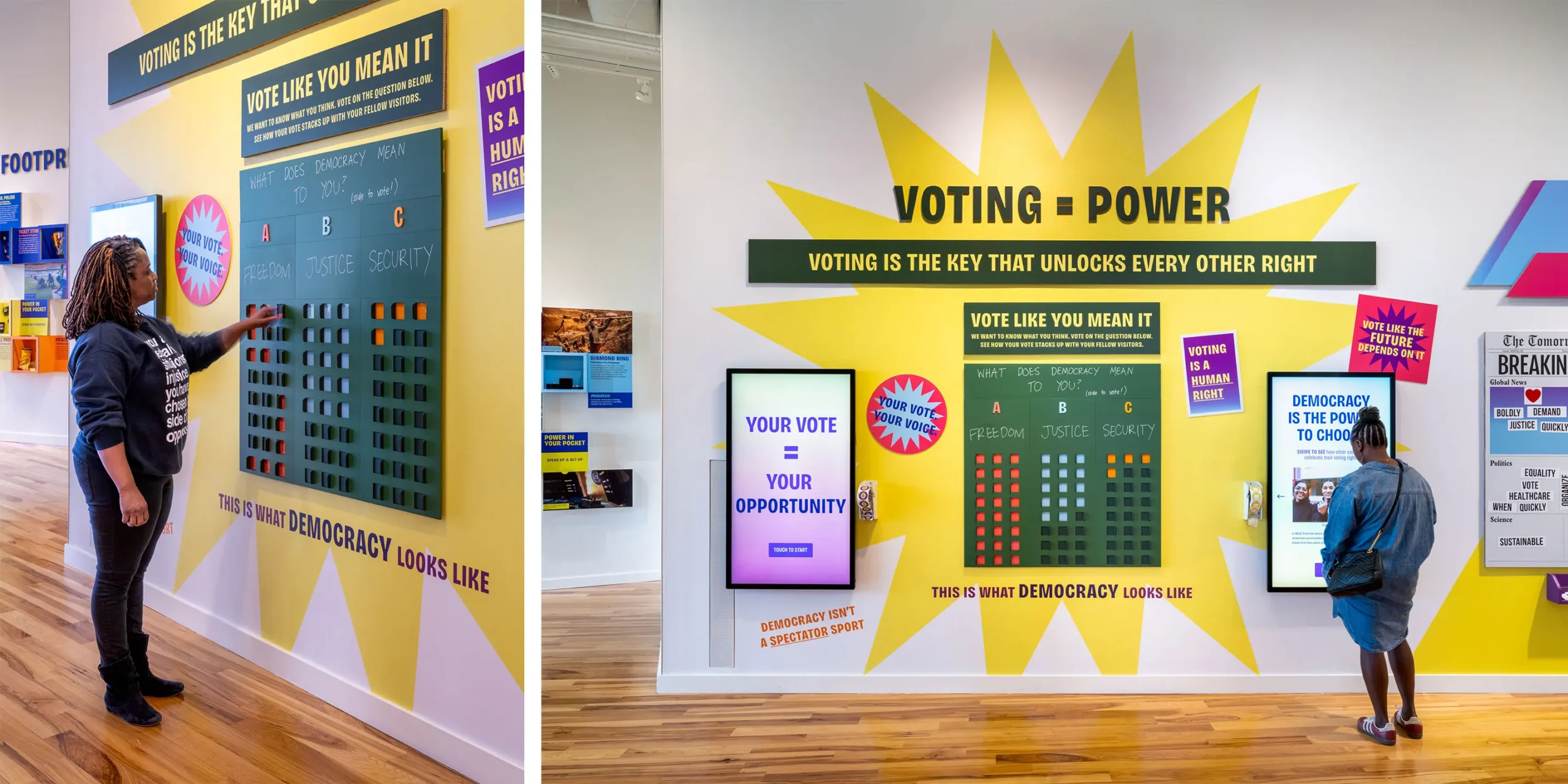
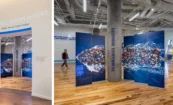
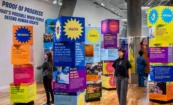
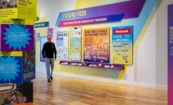
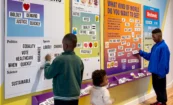
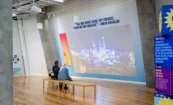
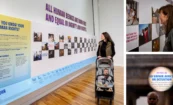
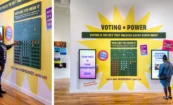
The "Everyone. Everywhere. The Global Human Rights Movement" exhibit at the National Center for Civil and Human Rights was designed as a culmination of the visitor experience—where visitors reflect on past struggles, recognize present challenges, and discover their capacity to create change. Inspired by protest signage and grassroots graphics, the visual language is bold, energetic, and intentionally urgent, helping visitors connect emotionally to global stories.
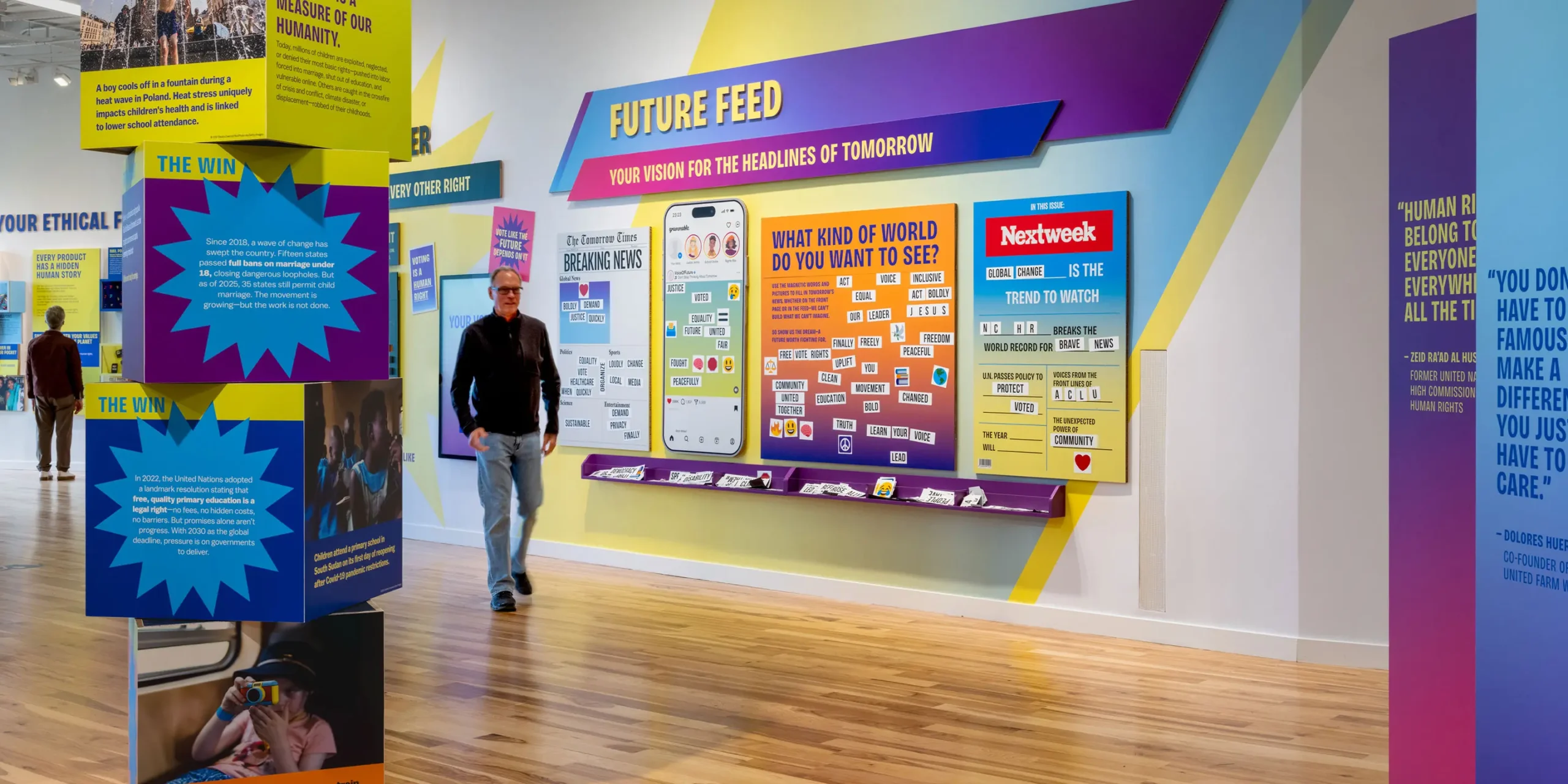
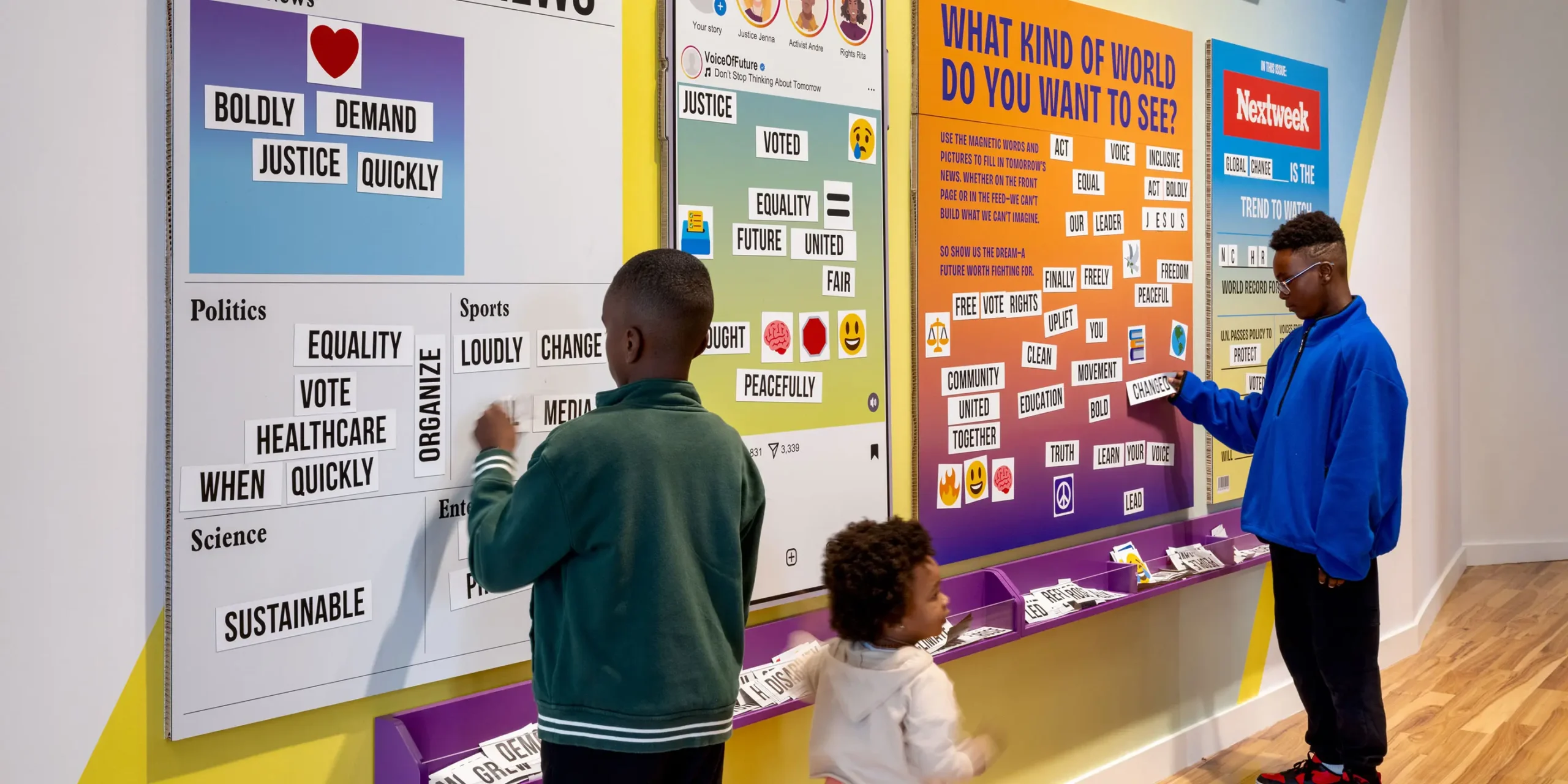
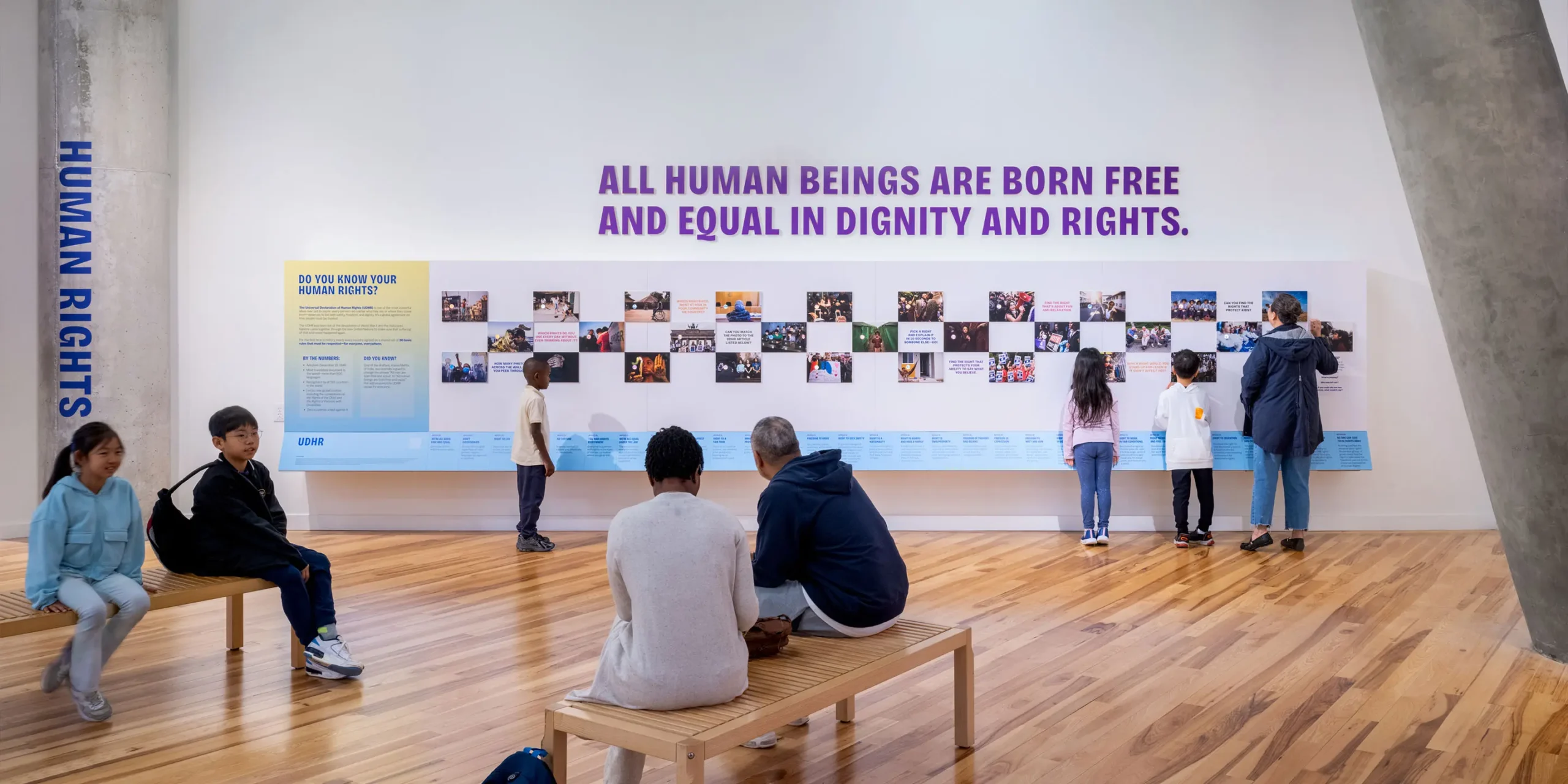
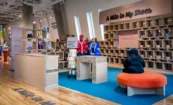
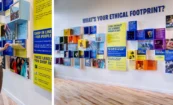
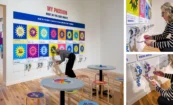
True to the exhibition's theme of universal rights, accessibility was woven into each design decision. Typography follows ADA guidelines and best practices for readability and legibility, high-contrast color palettes support visitors with low vision or colorblindness, and tactile and analog interactions invite deeper engagement. All interactive components—including spinning cubes, pinhole discoveries, flip panels, and magnetic walls—are positioned at multiple heights to ensure equal access for wheelchair users, children, and visitors with varied mobility. A clear hierarchy of headlines, subheads, and supporting text helps readers who skim quickly orient while inviting more curious guests to explore detailed content.
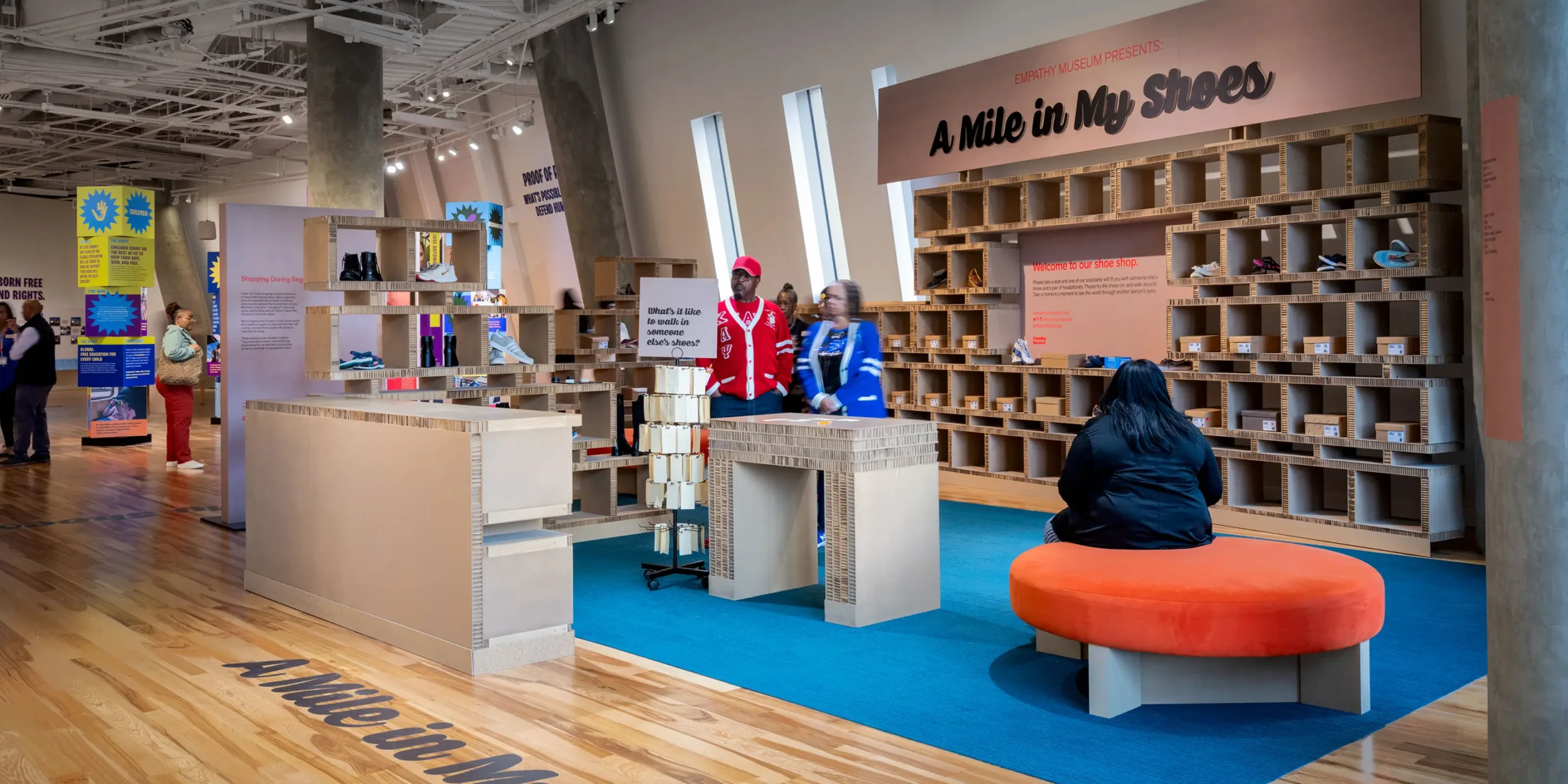
Because the exhibition is temporary and designed for evolution, the team prioritized environmentally responsible materials. Engineered paper-based products like Re-board—lightweight, structurally rigid, and fully recyclable—replace traditional, non-recyclable substrates. Modular furniture, magnetic systems, and interchangeable panels minimize waste, prolong the exhibition's lifespan, reduce its carbon footprint, and keep content current.
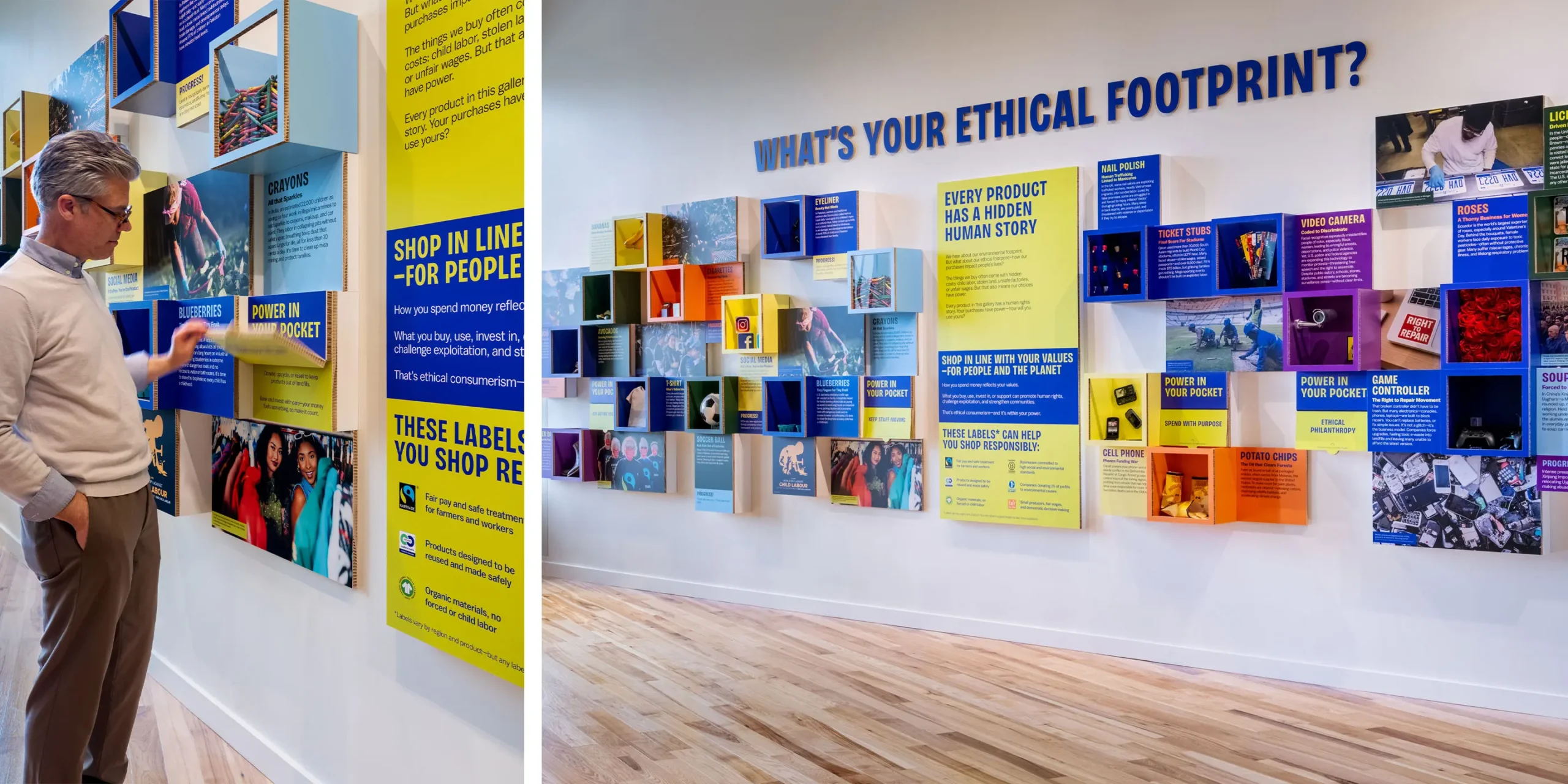
Tactile exhibits and visceral interactions support a wide range of learning styles. Visitors spin cubes, peer through peepholes, move magnetic pieces, and explore physical objects in the ethical consumer footprint display. These layers of participation create a meaningful and memorable experience.
project scope
28,733 SF Expansion / Exhibit 1: Global Human Rights Gallery: Everyone. Everywhere: The Global Human Rights Movement / Exhibit 2: Activation Lab
design services